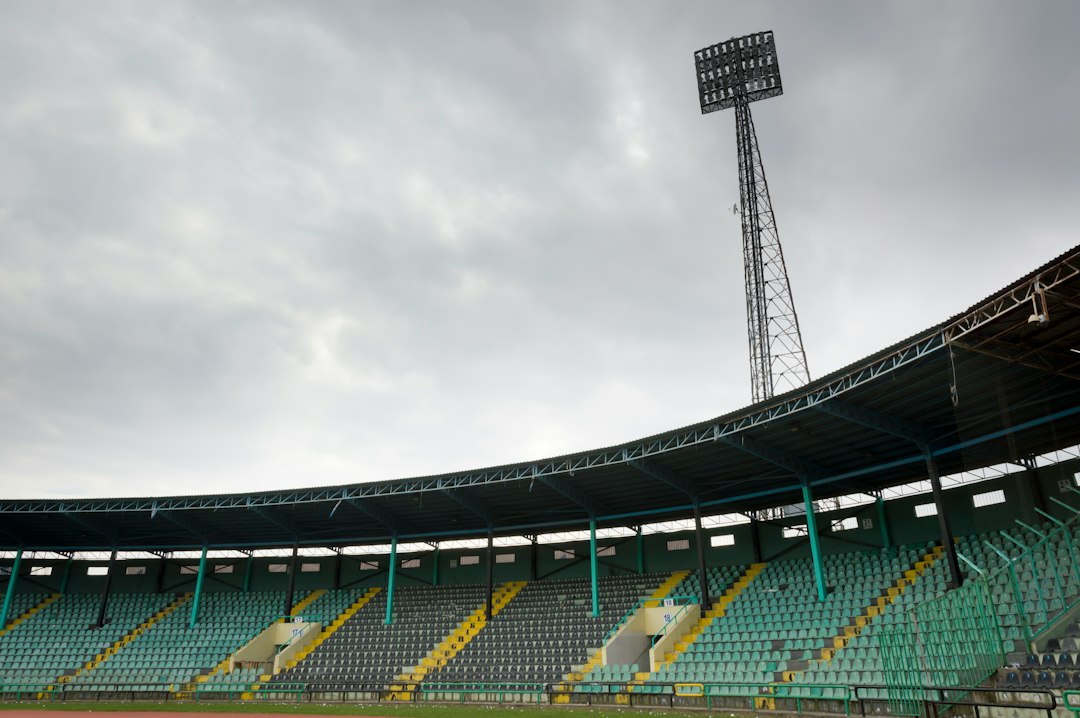
Why Home Form Still Matters in Modern Football
Table of Contents
Despite changes in scheduling, squad rotation, and the increasing influence of high-press tactics that can neutralise home advantage, playing on familiar ground continues to produce measurable statistical differences across Europe’s major leagues. Home crowds create noise, reduce travel fatigue, and allow managers to set up with greater tactical confidence. The numbers this season confirm that home form remains one of the more stable indicators when analysing match outcomes.
Across the five major European leagues — Premier League, La Liga, Bundesliga, Serie A, and Ligue 1 — home sides have collectively maintained a higher points-per-game average compared to away sides through the first two thirds of the 2024/25 season. Understanding which specific clubs are driving that trend offers useful context for anyone following the 1X2 market or constructing a combination selection.
Clubs Showing the Strongest Home Records in 2024/25
Bayern Munich at the Allianz Arena
Bayern Munich have used their home ground as a fortress again this season. Through the winter phase of the Bundesliga campaign, they recorded a home record that placed them among the most consistent home sides in Europe — dropping points in fewer than three of their home league fixtures. Their average goals scored per home fixture has hovered around three, while their defensive record at the Allianz Arena has been considerably tighter than in away matches.
Tactically, Bayern under Vincent Kompany have pressed aggressively from the front, making it difficult for visiting sides to settle. The wide areas of the pitch have been used effectively, with Leroy Sané and Kingsley Coman causing consistent problems down the flanks before the January transfer window reshaped the squad further.
Atletico Madrid at the Metropolitano
Atletico Madrid present an entirely different tactical picture, but the outcome at home is similarly dominant. Diego Simeone’s side have built their home record on defensive solidity — conceding very few goals at the Metropolitano — combined with clinical finishing on the counter. They have not lost a home La Liga fixture through the majority of the autumn and winter period in this campaign.
The low-block structure Atletico deploy at home makes them particularly relevant in the Over/Under 2.5 goals market. Their home matches frequently end under that threshold, which is a pattern that has been present for several consecutive seasons, not just this one.
Liverpool at Anfield
Anfield has continued to produce strong home results for Liverpool under Arne Slot in his debut Premier League campaign. Liverpool’s pressing intensity has been maintained with only minor adjustments from the Klopp era, and their home crowd has remained one of the most influential in England. Domestically, they have collected the majority of available home points through the first half of the season.
One notable trend is Liverpool’s habit of scoring early in home fixtures — a pattern that shifts the match dynamics significantly and has relevance for markets such as first goalscorer and match result.
Patterns Worth Noting Across These Clubs
Several patterns emerge when you look at these clubs collectively rather than in isolation.
First, all three have shown a clear gap between their home and away points totals. This gap tends to narrow for the strongest clubs at the very top level, yet for these sides it remains pronounced — suggesting their home advantage is structural rather than coincidental.
Second, each club tends to score in the first half at home more regularly than when travelling. This increases the statistical likelihood of results being settled before the final twenty minutes, which is a relevant detail for anyone analysing half-time/full-time markets.
Third, when these clubs face opposition ranked in the lower half of their respective tables at home, their conversion rate on chances created rises noticeably. Against fellow high-table clubs, margins tighten considerably, which is an important distinction when forming any analysis of a given fixture.
Reading the Markets Through a Home Form Lens
For those who follow the 1X2 market, understanding home form is foundational. The 1X2 market simply refers to three outcomes: a home win (1), a draw (X), or an away win (2). When a club has recorded eight or nine home wins from ten fixtures, the home win option carries a different statistical weight than it would for a club with mixed home results.
The Double Chance market — which allows a selection covering two of the three possible outcomes — is also worth understanding in the context of home form. For a club with very strong home defensive records like Atletico Madrid, a Double Chance covering home win or draw (1X) aligns logically with historical data.
BTTS (Both Teams to Score) is another market that home form data can inform. Clubs that keep clean sheets at home regularly, such as Atletico, will naturally produce fewer BTTS results in their home fixtures than a club like Liverpool, who both score and concede with greater frequency domestically.
None of this creates a certainty. It provides context. Every match has independent variables — injuries, suspensions, weather conditions, referee decisions — that can override statistical patterns.
How to Use Home Form Data Responsibly in Your Selections
Home form statistics are a starting point for analysis, not a conclusion. A team currently on a seven-match home unbeaten run may be facing a side that specifically performs well in away fixtures — both pieces of data belong in the same analytical picture.
When considering a combination selection, including a fixture featuring one of these consistently strong home sides can add structural logic to your accumulator. However, any combination multiplies the number of independent variables, meaning each additional selection introduces additional uncertainty regardless of individual match analysis.
The opinion offered here, based on analysis of this season’s data, is that clubs like Bayern, Atletico, and Liverpool represent some of the more statistically coherent home choices in their respective leagues during the 2024/25 campaign — but form shifts, squads rotate, and margins can be narrow.
Frequently Asked Questions
What does home form mean in football statistics?
Home form refers to a club’s match results, goals scored, goals conceded, and points earned exclusively in fixtures played at their own ground during a defined period.
Why do teams generally perform better at home?
Crowd support, familiarity with the pitch and conditions, reduced travel, and the psychological comfort of a known environment all contribute to statistically higher home performance across most professional leagues.
What is the 1X2 market in football?
The 1X2 market covers the three basic match outcomes — 1 represents a home team victory, X represents a draw, and 2 represents an away team victory. It is one of the most widely used markets in football analysis.
Does strong home form guarantee a home win in any given fixture?
No. Statistical trends describe historical patterns across a sample of matches. Individual fixtures are influenced by many variables including injuries, tactics, referee decisions, and the quality of the visiting side on that particular day.
Predictions are opinions based on analysis, and no result is guaranteed. This website is for adults aged 18+ and is for information and entertainment only.